
NUI#14 - Skillmatics
On screen-free play, global adoration, and the Mumbai-based brand at the centre of India's toy story

This week’s edition of Next Up India was guest written by Anushka Gupta - brand builder and co-founder of MyMuse, India’s first sexual wellness brand. Her 12-year adventure through India’s consumer ecosystem has included colourful stops at Only Much Louder and WeWork India, before she eventually took the plunge to start her own venture in 2020. More recently (and more relevant for this piece), as a new mother of two boys, she’s developed an obsession with discovering the most thoughtful children’s brands from around the world, and secretly hopes to build one of her own someday. We hope you enjoy reading her NUI debut as much as we did👇
I’ll bet that every one of you reading this has a toy you remember.
I’m not talking about a favourite category or a particular brand, but a specific object. The one that lived on your bedside table, survived three house moves, and somehow still exists in a box in your parents' home because throwing it away feels vaguely like a betrayal of your younger self.
As a kid who grew up in a bunch of different places, my personal Hall of Fame includes a multicoloured Furby with a voice I can still hear in my nightmares, a carefully curated collection of TY Beanie Babies, and two nearly life-sized figures of Woody and Jessie from Toy Story that I treated with a level of reverence usually reserved for religious artefacts.
If, like me, you came of age in 90s India, the toys that currently occupy that space in your memory were almost certainly made by the same handful of foreign companies that haven’t really relinquished their grip at the top of the leaderboard.
Mattel. Hasbro. Lego. Disney. All legacy giants that have dominated the global toy industry for decades, their brands so deeply embedded in childhoods across the world that they have become almost synonymous with the concept of play itself. The global toy market is worth well over $100 billion and growing, but the names at the top of it have barely changed in a generation.
What has changed, dramatically, is where the products are actually made. Almost all of it, regardless of which Western brand name is on the box, is manufactured in China. Over 80% of all toys sold in the US today come from there. The global toy industry is, in that sense, a Western brand story sitting on top of a Chinese manufacturing story.
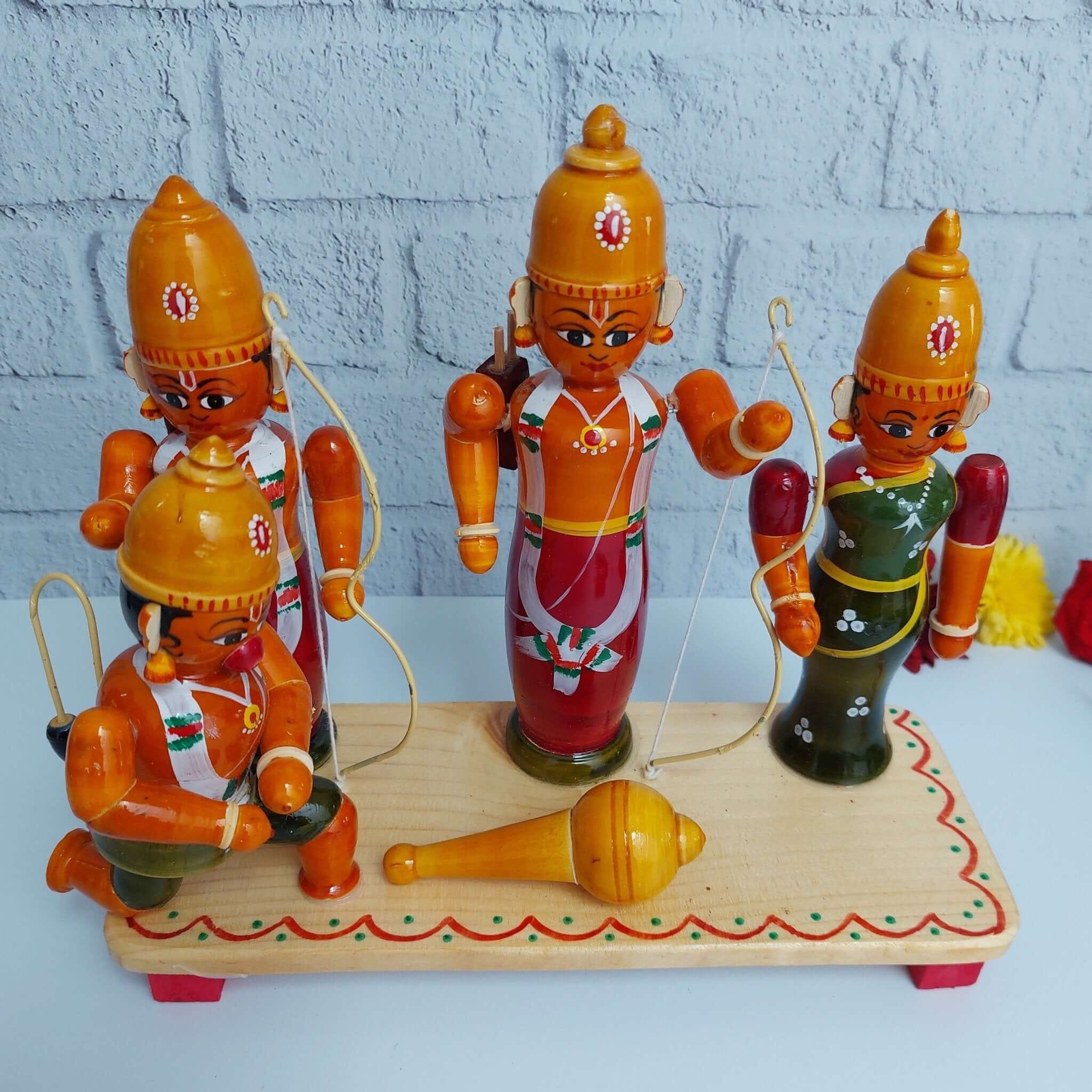
But closer to home, India has had its own toy story too, though a much more understated one. For most of the 20th century, the Indian toy industry was dominated by small-scale cottage manufacturers making traditional wooden and cloth toys, with little organised branding or distribution to speak of.
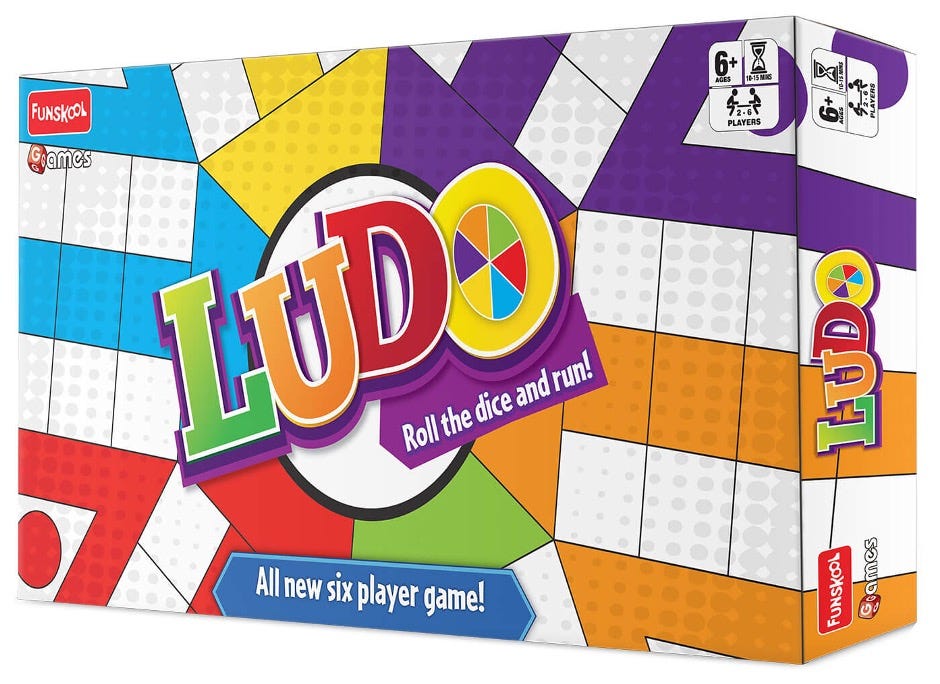
The 1980s changed that, when the introduction of plastic toys and injection moulding technology gave rise to the first wave of modern Indian toy brands, most notably Funskool, a joint venture between MRF and Hasbro, and Leo Toys.
At that point, India was still largely self-reliant in toy manufacturing, with foreign imports accounting for only around 10% of the market. Then came the 1990s, and with liberalisation, the floodgates opened. Mattel, Hasbro, and Lego arrived officially. And behind them came a wave of cheap Chinese imports that would eventually come to account for 86% of India's total toy imports.
The domestic manufacturing base inevitably began to stagnate, and eventually settled into contraction. In a span of roughly twenty years, India went from a trade surplus to a heavily trade deficit sector. The most vivid illustration of what this meant on the ground was in places like Kondapalli in Andhra Pradesh, where artisans had been making wooden toys by hand for over 400 years and suddenly found themselves competing with plastic toys from China that cost a fraction of what their handcrafted pieces did. By the 2010s, India was firmly a net importer of toys. Funskool survived and even thrived as a manufacturer and distributor, but no Indian brand had ever meaningfully competed on the global stage.
However, in the last few years, there has been a shake up of the established order. First, the Indian government raised import duties on foreign toys from 20% to 70% and introduced mandatory BIS certification for all toys sold in the country, effectively shutting out a significant chunk of Chinese imports overnight. Indian toy exports, meanwhile, grew 239% between FY15 and FY23. The country became a net exporter. Global brands like Hasbro, Mattel, and Spin Master began shifting sourcing to India as part of a broader China-plus-one strategy. The infrastructure for a genuine Indian toy industry was, finally, taking shape.
But the most interesting development in Indian toys didn’t come from a government policy. It came from a 26-year-old in Mumbai who spotted an opportunity that was apparently invisible to everyone else.
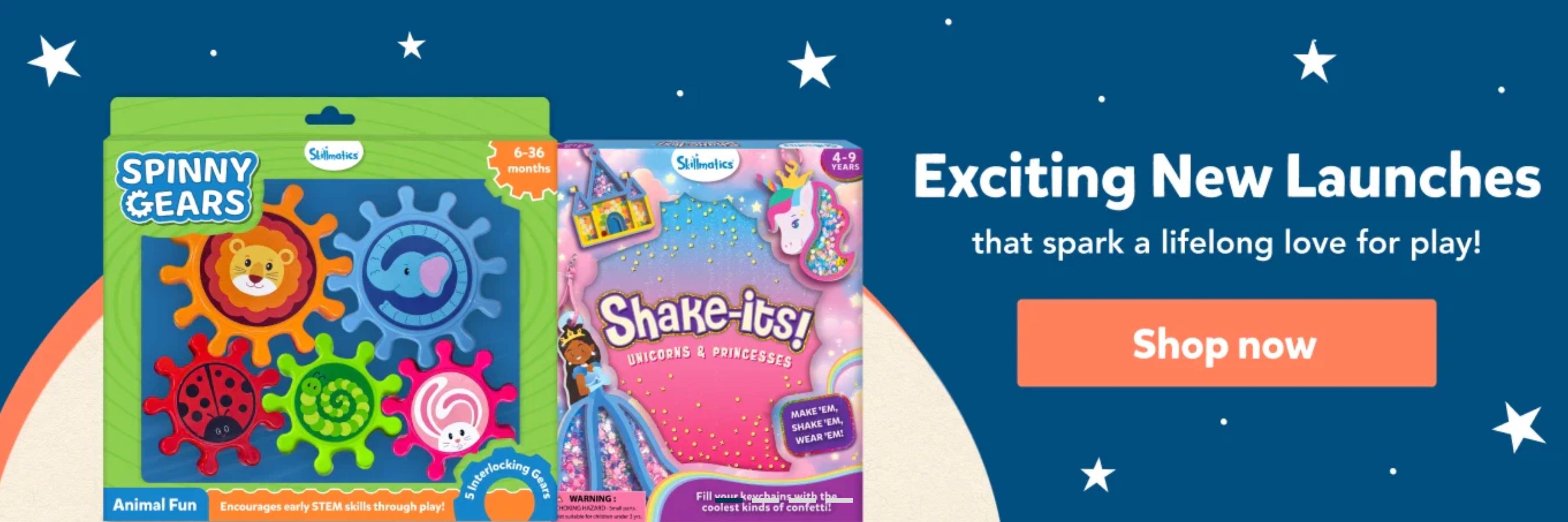
In under ten years, his start up went from a standing start to dominating physical shelves in Walmarts and Targets across the US. It climbed to number one across multiple toy categories on Amazon. It sold its way into Hamleys stores worldwide. And it did all of this with a fraction of the marketing budget of its competitors, turning over approximately $100 million in FY25, compared to Funskool’s reported $40 million, making it India’s largest toy brand both at home and abroad.
Most consumers in the US have no idea it is an Indian brand. Take one look at their Instagram and you would never guess either. Many consumers in India assumed, as I did, that it was an American import (this is entirely by design, by the way).
If you’re a parent, you have almost certainly already bought their products, or been gifted their products, and likely gone back for more. They are probably sitting in your toy cabinet right now, wedged between the Lego sets and the Hot Wheels track that eventually lost their lustre.
But if you don’t have kids, and you haven’t yet been inducted into the Olympic sport of toy storage and management that is parenthood, chances are you haven’t heard of them at all.
Not to be dramatic, but that’s about to change.
The piece that follows is not the story of a niche Indian startup that found a small export market. This is the story of a mature company that has raised over $24 million in venture funding, crossed 1000 crore in ARR, and built what is arguably the most successful Made-in-India consumer brand the world has never known it was buying.
Allow me to introduce you to Skillmatics.
What is it?
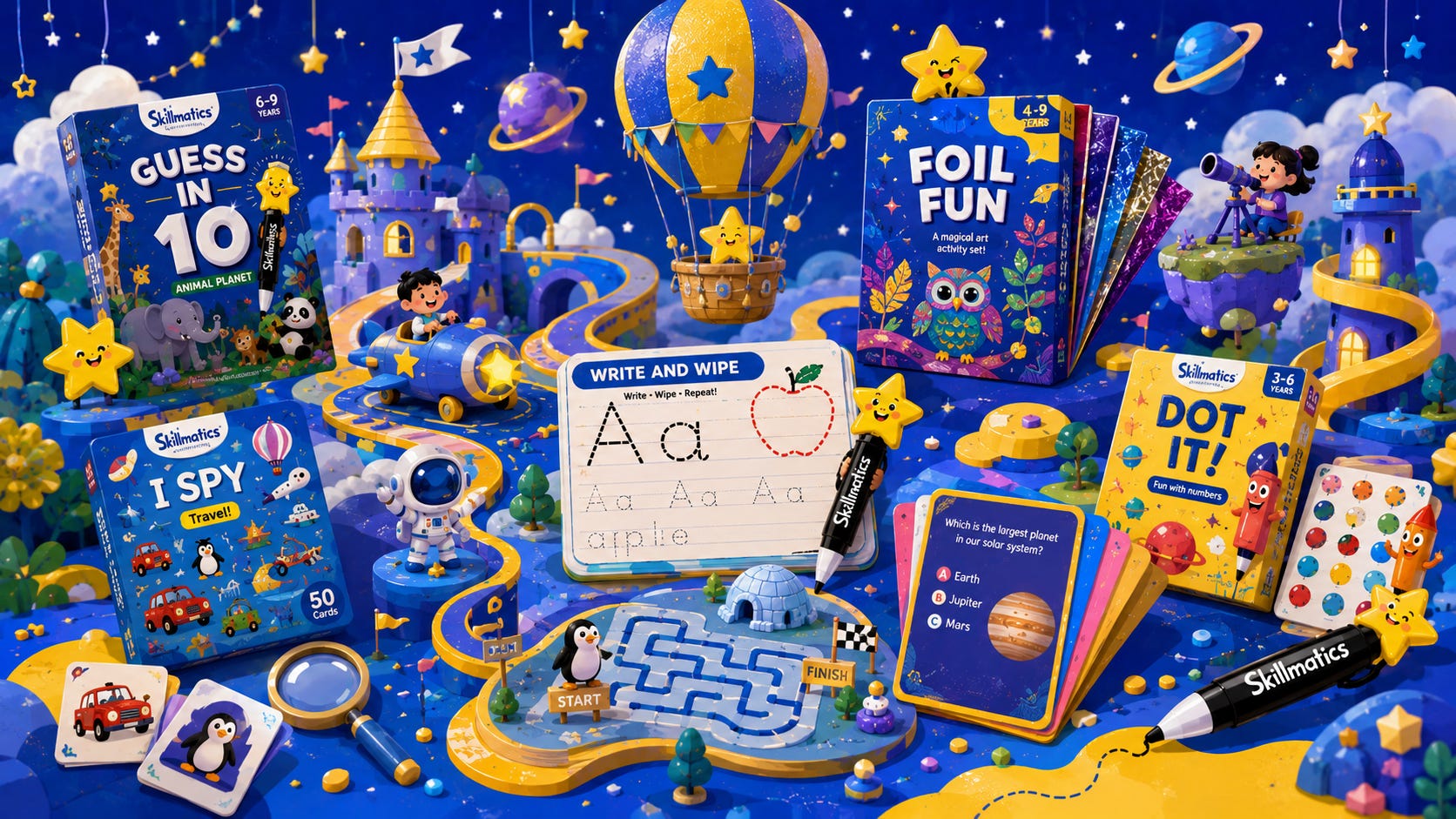
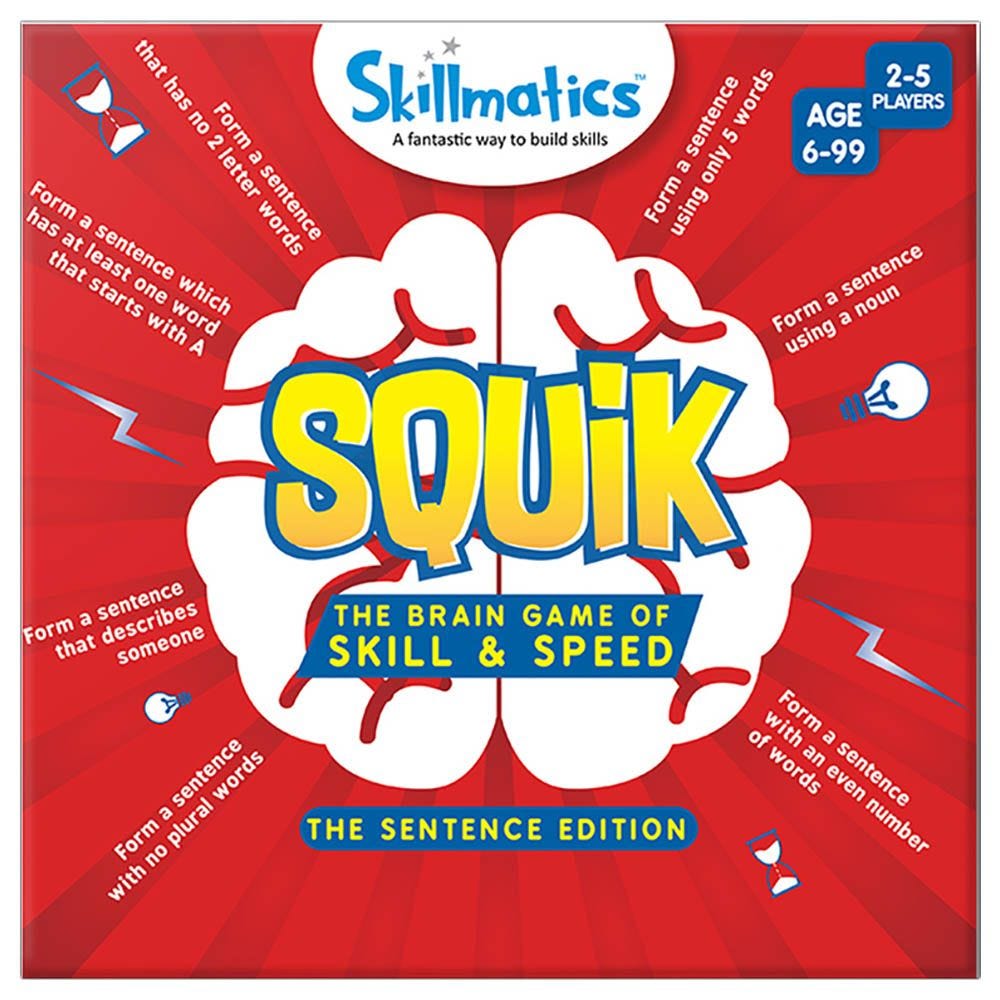
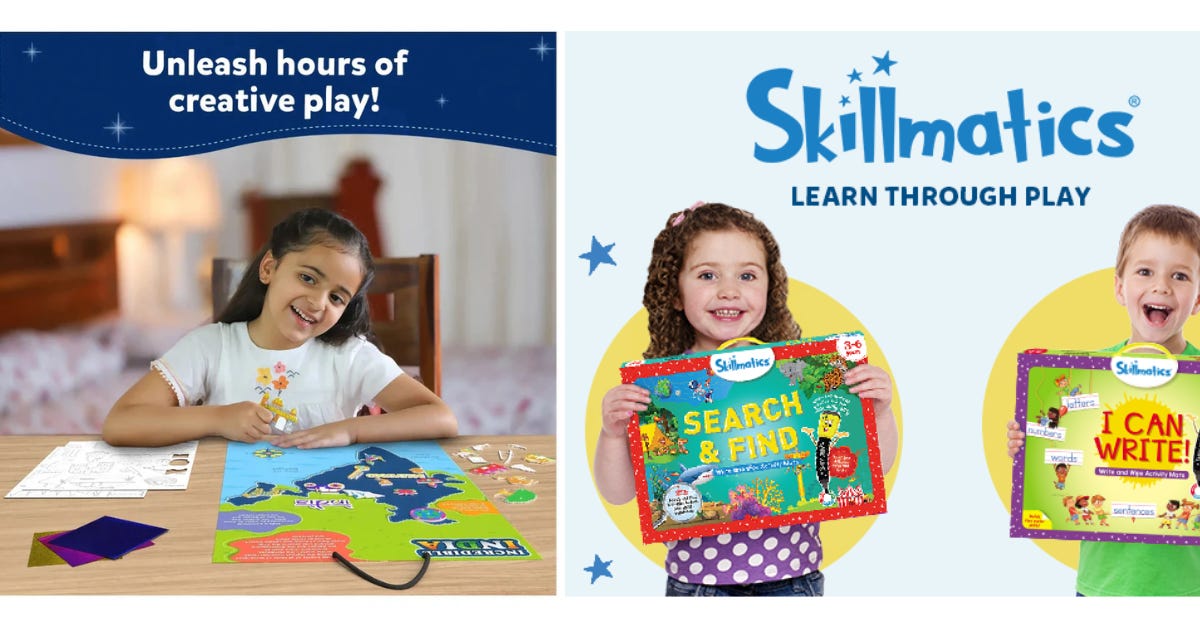
Skillmatics is a Mumbai-based start up that makes screen-free educational toys and games for children. The core idea is simple - it’s about ‘learning through play’. Every product they make does something useful for a child's development, designed to nurture specific ‘skills’ like memory, logic, problem-solving, creativity, or fine motor skills, while being fun enough to hold a child’s attention.
They have over 200 products spanning Learning and Education, Board and Card Games, STEM Building, and Preschool categories. Products are mapped to specific ages and developmental stages, running from 0 months all the way to 8+ years and beyond, which means everything from fabric books and flash cards for infants, to craft kits and puzzles for toddlers, to strategy games and building sets for older kids.
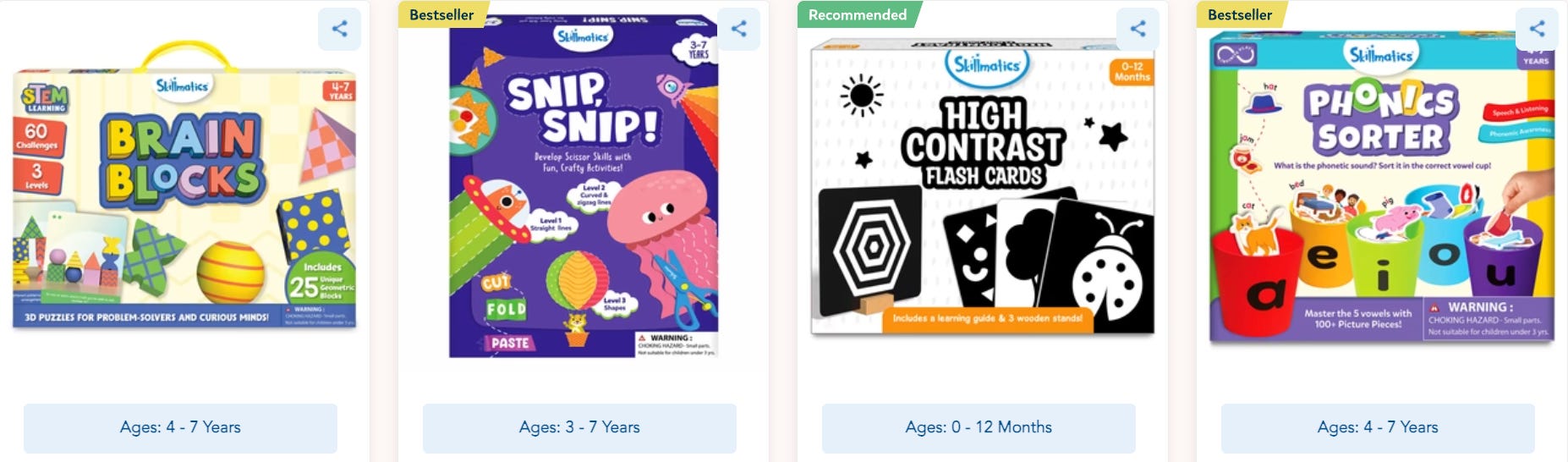
Unlike most “educational toys” we grew up with (which were often not that fun), these don’t feel like homework. My son has a host of Skillmatics toys that would count as his favourites (and he hasn’t realised they’ve been as educational for him as they’ve been entertaining). For any parents reading this that are looking for some tips, his prized picks would be Piece & Play (a massive animal-themed floor puzzle), Magnetopia (that lets you build entire cities with magnets), and Sandeezy (an ice cream parlour game that uses kinetic sand).
(Fair) Price?
In India, Skillmatics toys range from Rs. 179 to about Rs. 1200. The sweet spot is the Rs. 600-800 range, where most of their craft kits and board games sit. These are right in the range of most educational toys on Amazon India, and for that price you’re getting a brand and product experience that’s reliable, well thought out, and carefully designed.
The logic behind their pricing is that it’s high enough to signal quality, but low enough to drive repeat purchases and impulse buys of new SKUs. “Our category doesn’t incentivise price switching,” says Skillmatics co-founder Dhvanil Sheth, who was kind enough to share several wonderful insights with me in an interview for this piece. “No one will trade off an inferior product for just a forty to fifty rupee difference. Parents prioritise quality.”
As a Skillmatics loyalist, I can confirm🤷♀️
Where can you buy it?
Globally, you can find their products across 30,000+ retail locations including Walmart, Hamleys and Target. You can also find them on Amazon and on their international website. In India, they are available across their D2C website, Amazon, Flipkart, FirstCry, all major e-commerce and quick commerce platforms, and retail stores including Hamleys and Toys R Us.
The US is Skillmatics’ biggest market by some distance, accounting for roughly 60% of total revenue. India makes up around 20%, with the rest of the world accounting for the remainder.
That retail footprint is worth pausing on. Getting onto Walmart and Target shelves is genuinely hard for any brand, let alone one founded less than a decade ago in Mumbai. These are retailers that receive thousands of pitches a year and stock only what their data tells them will sell. Skillmatics earned that shelf space the same way they built their Amazon rankings, through product performance and consumer demand rather than by throwing marketing money at the problem.
The Hamleys relationship is a good illustration of this. Skillmatics didn't pitch their way in. The CEO of Hamleys called them, having discovered the brand independently, and requested it be stocked across all their stores globally.
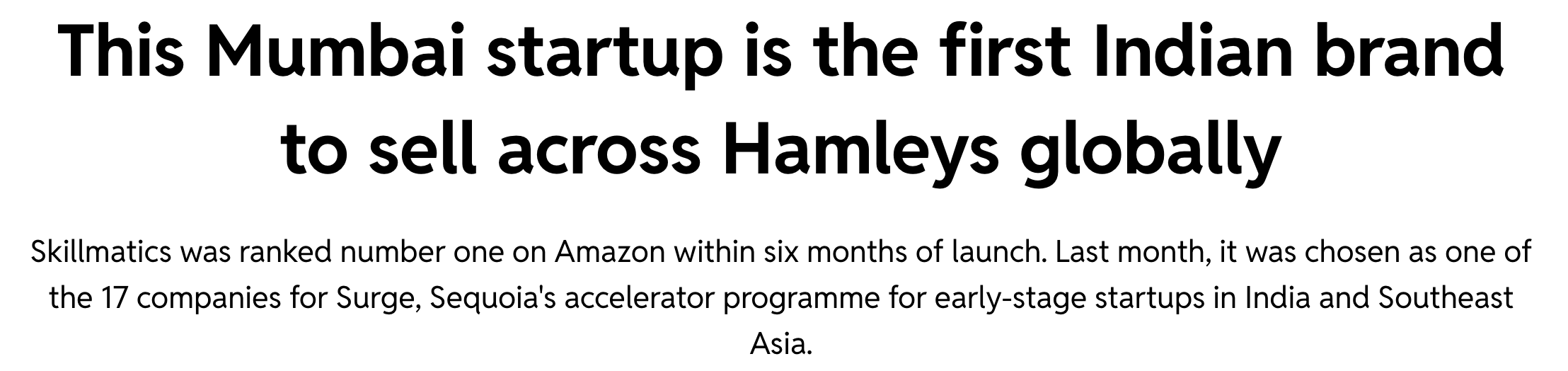
Skillmatics became the first Indian brand ever to be sold across Hamleys worldwide. Walmart and Target followed the same logic. The product earned the shelf space before the sales team even had to ask.
Who founded it?
Skillmatics was founded by lifelong friends Dhvanil Sheth and Devanshi Kejriwal. Dhvanil serves as CEO, and Devanshi as Chief Product Officer. Between them, they cover the full picture of what Skillmatics is - Dhvanil brings the commercial and strategic architecture, Devanshi drives everything the company makes.
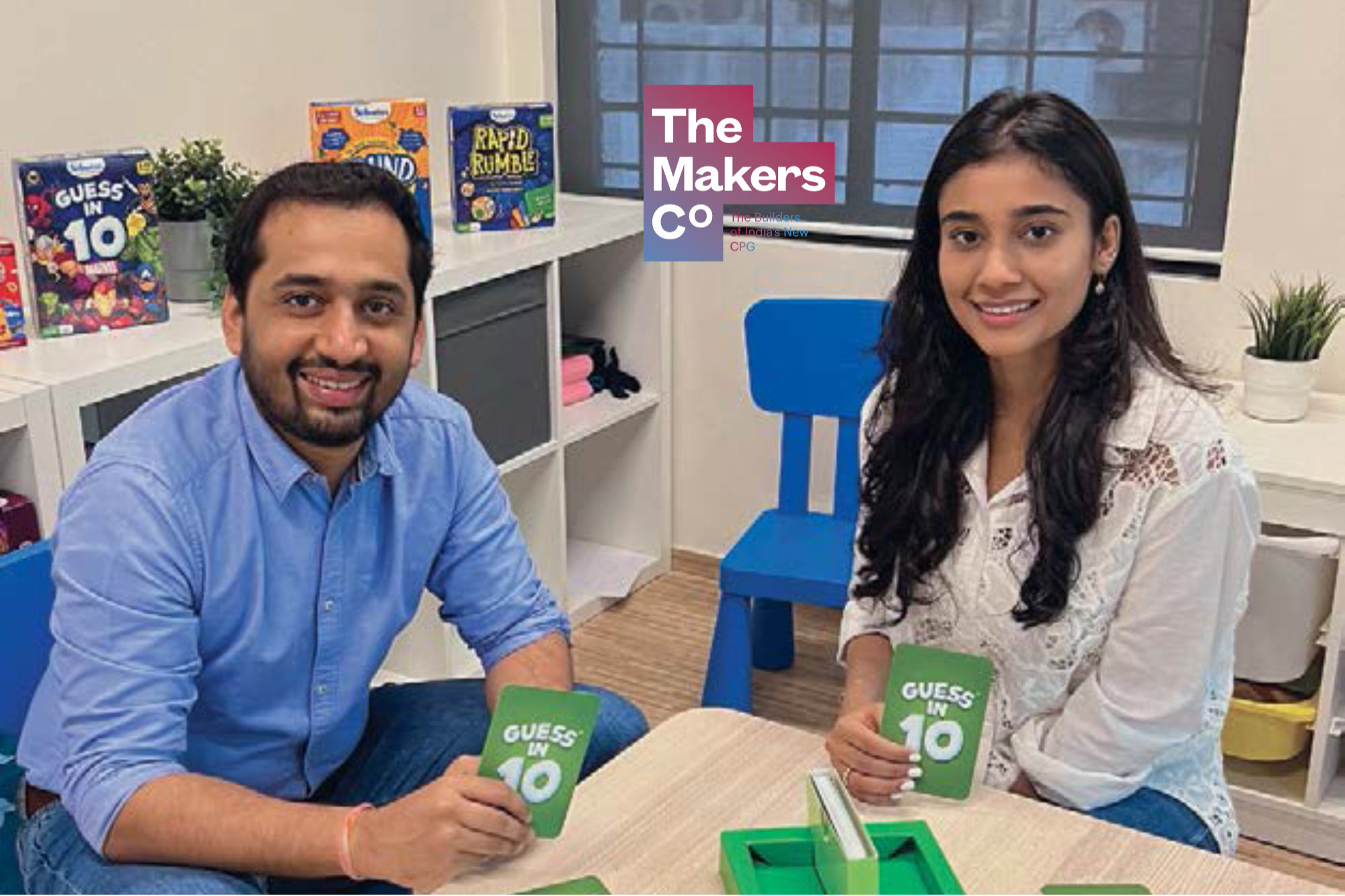
Dhvanil originally started developing the concept in 2016, at the age of 26, fresh off three years as a management consultant at Boston Consulting Group in Toronto. He was later joined by Devanshi, who had studied at NYU's Stern School of Business and subsequently completed a course in Gamification at the University of Pennsylvania, who brought a complementary set of skills to the venture.
During his time at BCG in 2015/16, Dhvanil had consulted for a broad range of retail brands that were thinking about how e-commerce was shaping their customers' buying habits, and how they needed to adapt their product offering and strategy accordingly. Though e-commerce wasn't brand new, it was still the early days of Instagram, and TikTok Shop didn't exist yet (I know, hard to remember a time when every second person wasn't an influencer selling you a protein-infused chai latte).
At the time, Dhvanil was struck by the fact that e-commerce had opened the door for anyone, anywhere to launch a brand for a global audience. He began mulling over the idea to do the same from India, in a way that could leverage the structural advantages that India had to offer.
These advantages, as he saw them, were threefold. First, talent - a dense, English-speaking pool of teachers, engineers, and designers, people trained to global standards but available at a fraction of the cost of hiring in the US or UK, with no compromise on quality. Second, manufacturing - strong cost advantages for the kinds of products Skillmatics would go on to make. And third, domestic market scale - a large enough home market to distribute MOQ (Minimum Order Quantity) risk across a product line, meaning new products could be tested and launched without betting everything on a single market's response. He envisioned a brand based out of India, built for the world, leveraging every one of those advantages while the brand itself remained entirely global in identity.
The opening scene of the Skillmatics movie would arrive in 2016, when Dhvanil caught his three-and-a-half year old nephew trying to swipe the pages of a physical book, the way you would a tablet screen. He was amused (and slightly alarmed) that kids had become so conditioned by touchscreens that the form of a paper book appeared foreign. That moment crystallised what the company would build towards, as Devanshi describes it: "a global consumer brand from India that focuses on educating children while fostering critical thinking and problem-solving skills through engaging, screen-free play."
From a commercial perspective, there were two main reasons for why they thought it made sense to venture into the toy industry. The first was fragmentation. The global toy market is worth over $140 billion, but dominance in this industry has never really been about market size. It is about positioning, about owning a specific use case clearly enough that competitive intensity around you stays low. While giants like Mattel and Hasbro dominate certain shelves, the toy market is vast and sprawling enough that genuine white space exists everywhere, particularly in educational games. The second was where retail was heading. The duo could see clearly that parents were migrating online for their toy purchases, and that online, the currency of trust would be other parents’ reviews. A brand that earned those reviews early would compound its advantage in a way that no traditional marketing spend could replicate, and that same parental trust would also transcend global borders.
They were so convinced of the global opportunity that when an early investor offered them $750,000 on the condition that they keep Skillmatics focused exclusively on India, they walked away. At that stage of a startup, that is not a small decision. But the team’s vision was never a domestic one, and they weren’t willing to trade that for anything.
Before Skillmatics launched, Dhvanil spent six months talking to parents in Mumbai to validate what he was seeing. When it became clear they shared the same concerns, he quit BCG and invested the $50,000 he had saved into building the first range of products, with Devanshi leading the product conceptualisation. This was eight SKUs in total, things like write-and-wipe math, science, language and logic games for children aged three to six.
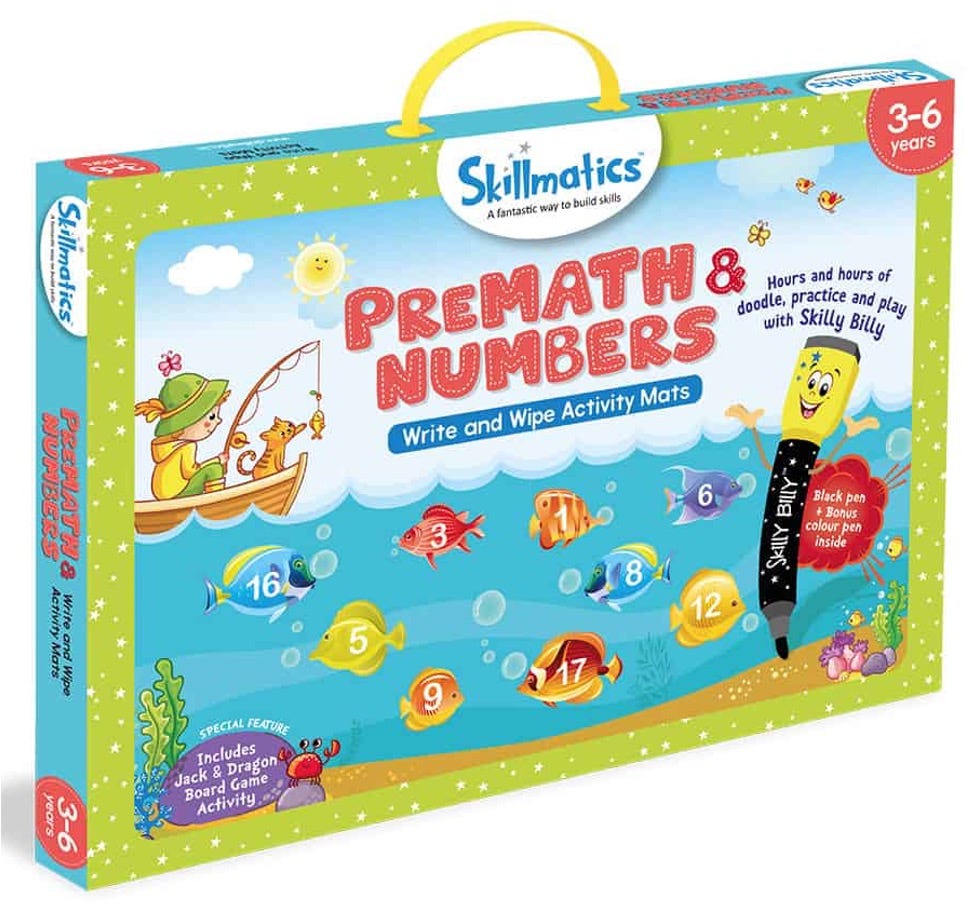
With their first range in place, Skillmatics officially launched in July 2017. The early years were a grind. Nobody at the traditional toy industry trade fairs would take them seriously, partly because they were Indian, partly because they were young, and partly because they had just one product range. By the end of year three, they were doing five crores in revenue. Not nothing, but nowhere near what the team had hoped. The real breakthrough came in 2018-19, when they properly onboarded onto Amazon's global selling programme and went direct to consumer. Within 30 days of getting onto the platform properly, they did more revenue than they had in the previous 300 days combined. The reviews did exactly what the duo had predicted they would.
What makes this origin story unusual is that Dhvanil originally conceived Skillmatics long before he was a parent himself, though he is now a father of two. Most founders in this space build from personal frustration. Dhvanil built from data and a clear-eyed read of where the world was going. “This allowed me to be super objective and analytical in my approach,” he says, “and not let the personal biases creep in that are bound to happen when you’re a parent.”
He also recognised something that every parent eventually figures out on their own. “All parents want the best for their kids. All kids love animals. All kids go through the same developmental stages,” he says. Child development, it turns out, is largely universal. Which meant that a product built thoughtfully for a child in Mumbai would resonate just as strongly with a parent in Minneapolis. As a mom of two boys, a 2.5 year old and a one month old, I couldn’t agree more.
State of Funding
Skillmatics has raised approximately $24 million across three rounds of funding. The seed round came in April 2019 through Sequoia India's Surge programme, roughly $1.8 million which was used to scale manufacturing and crack international logistics. A $6 million Series A followed in June 2021, again led by Sequoia India. Then in April 2022, Sofina, a Belgian investment firm, led a $16 million Series B into Skillmatics, which remains it’s last major round of institutional funding.
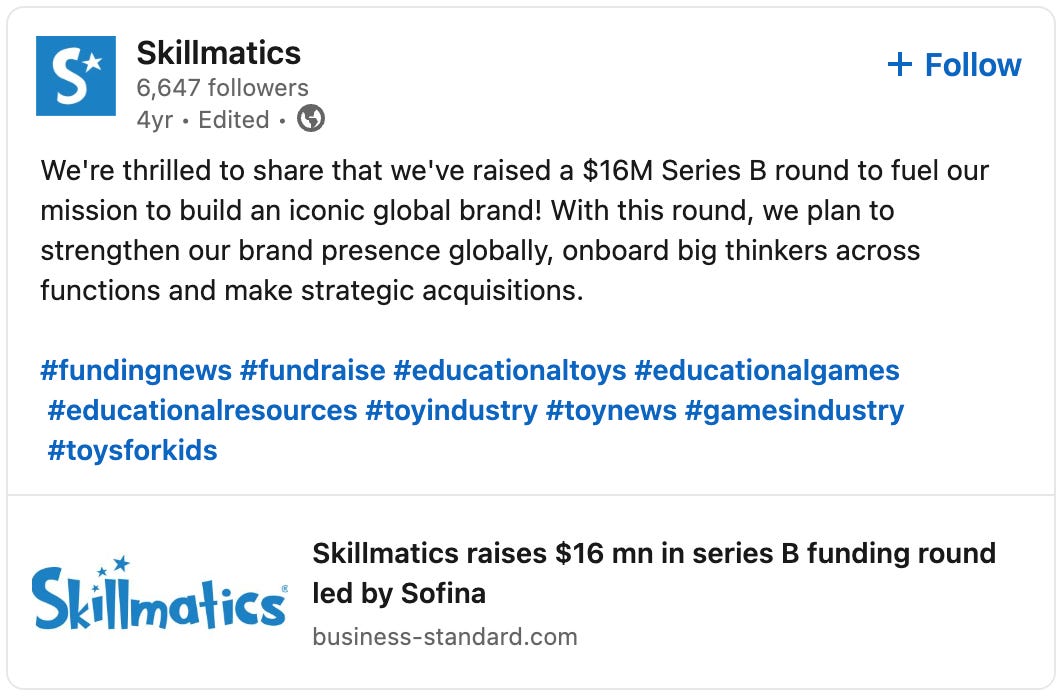
What is striking about Skillmatics’s funding story is how little of it they have actually needed. Dhvanil has been clear about this approach. “We are disproportionately focused on design and development as an engine of growth.” he told me. “This is what’s allowed us to 10x the business in 5 years without any additional capital since our last raise. We are product centric, and not just reliant on marketing.” From five crores in year three to 500 crores five years later. 100x. The Series B subsequently closed in April 2022.
In the three years since, Skillmatics has crossed 1000 crore in ARR without going back to market for more. And today, the company holds more cash in the bank than the total amount it has ever raised from investors.
The Golden Insight
When it comes to product, what Skillmatics figured out is that when building a category for kids, it’s actually more about marketing to parents and solving for their pain points. Being a digital first brand, it’s parents that make the buying decisions, rather than the inevitable tantrum in the Hot Wheels aisle at Hamleys.
This is more counterintuitive than it sounds. What legacy toy brands typically do when creating a new product is try to figure out what will most capture the attention of the child: loud colours, flashing lights, maybe a cute character. The child is the customer. Skillmatics flipped that. Every product they make starts with a different question: what problem are we solving for the parent, and how are we making their lives easier?
Dhvanil and Devanshi recognised that parents across the world were wrestling with the same handful of challenges - How do we keep our children engaged but also help them learn? How do we take the guesswork out of giving them toys that are developmentally appropriate? How in God’s name do we keep them off screens without going crazy? This is especially acute in markets like the US, where there is less help at home and both parents are likely to be working, which means parents are simultaneously more time-poor and more deliberate about how their children spend the hours they do have.
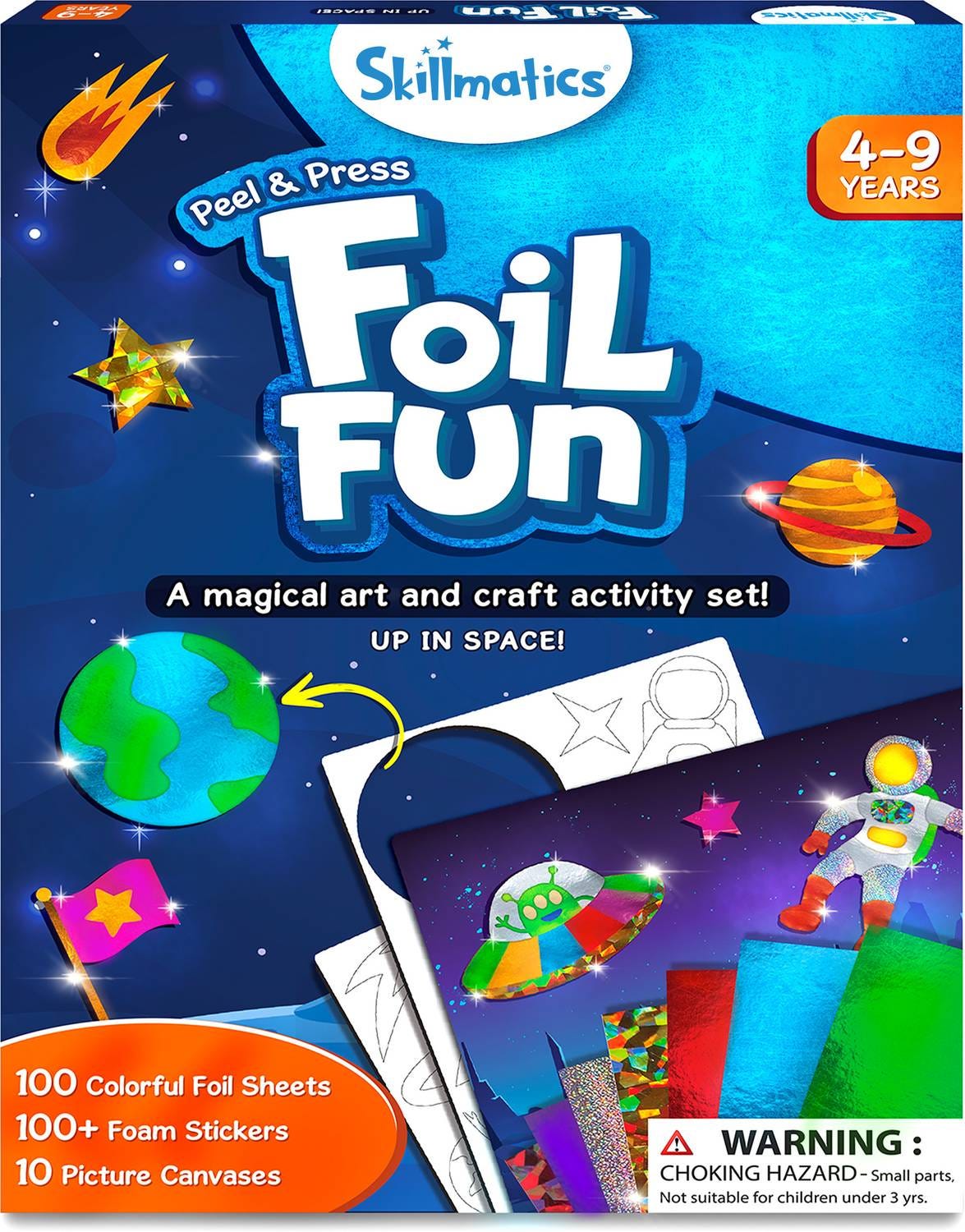
Each of their products is born directly out of these insights. When designing their craft range, for example, they recognised that parents want their kids to have all the fun of glitter and glue, but without the mess it inevitably creates. That led to their signature wipe-down mats for practising math and writing, and no-mess craft kits like Foil Fun, a longstanding bestseller that drives over 100 crore in revenue annually in the US alone.
“Because we’re creating products that are development first, not just engagement first, our success compounds year over year,” says Dhvanil. It is a point worth sitting with. Unlike trend-based toys that spike and fade, education is inherently evergreen. Parents will always make concessions for the thing that is good for their child. And because Skillmatics has a product mapped to every age and developmental stage, the consumer lifecycle is unusually long. A parent who buys their first Skillmatics product for a six month old has years of purchases ahead of them. Dhvanil puts it simply - “once a child loves one Skillmatics product, the parents tend to keep buying across their lifespan”.
The data bears this out. Skillmatics’s customer acquisition cost in the US fell from $6.80 in 2021 to $4.30 by 2025, driven entirely by product quality and word of mouth. Organic search doubles every year. Brand marketing never exceeds 1.5% of total revenue. When a product is genuinely good, and genuinely useful to the person buying it, it sells itself.
A bit of a sidebar, but that product-first thinking pervades their approach to licensing as well. Skillmatics holds licensing agreements with Disney, Bluey, Paw Patrol, Marvel, Harry Potter, and Toy Story, something Dhvanil describes as virtually unheard of for an Indian company.
But licensing at Skillmatics only comes in once a core product has already proven itself. The logic is straightforward - you build a product with genuine resonance, and then the license expands the offering for customers who already love it. A Foil Fun Disney Princess edition works because Foil Fun already works. It brings more utility and excitement for a customer looking for their next Skillmatics purchase. “It is an add-on, not a fundamental strategy,” says Dhvanil.
For any founder looking to go the same route, his advice is that getting a license for India is relatively straightforward, but to carry well known brands and trademarks globally you need demonstrated scale, strong product innovation, certified backend infrastructure, and a clear sense of what you are adding to the licensor's portfolio that they do not already have. Difficult, but doable.
The Machine That Makes The Machine
The engine behind all of this is an R&D team of over a hundred people, more than a third of the entire organisation, and larger than most of the Indian toy industry’s combined R&D headcount according to Dhvanil. But the size of the team is less interesting than how it is structured.
Dhvanil’s thinking here was shaped directly by his time at BCG, where each project team was deliberately built with a blend of expertise. He carried that into Skillmatics from day one. Every product that gets built has a diverse set of eyes on it, typically one product manager, two designers or engineers, and one educationalist. The result is a product that has to satisfy two requirements simultaneously: it has to be educational, and it has to be genuinely engaging. Neither one is optional.
The seriousness of that commitment shows up in a detail that is easy to overlook. The very first person the founders hired at Skillmatics was not a designer, or a salesperson, nor an operations person. It was an educationalist. Before anything else, before the product even existed in final form, they wanted someone in the room whose entire job was to make sure what they were building was genuinely age-appropriate and learning outcome-appropriate.
The product team today sits across three formal disciplines: Education and Content, staffed with full-time child psychologists and educators who validate the developmental credentials of every product before it ships; Graphic Design, spanning industrial designers and game designers who make sure each product is visually compelling and intuitive to use; And Engineering, which handles feasibility, materials, and manufacturability. Together they produce 50 to 60 new products a year, all under the direction of Devanshi (her work in this space has earned her recognition beyond Skillmatics itself, including a nomination for the Women in Toys Wonder Women Awards in the Rising Leader category, and a regular presence at Spielwarenmesse in Nuremberg, one of the most prestigious toy fairs in the world).
The entire floor of Skillmatics’ Mumbai office is given over exclusively to the product function. Prototypes are built in-house, tested with schools and parents, refined, and only then sent to contract manufacturers for commercial production. There are children constantly coming in to form cute little focus groups as part of the development process. Parents frequently drop their kids off to go run their own errands, and come back to collect them (much happier) a few hours later.
As a product founder myself, I know how difficult this kind of development cycle is to execute in practice, and at scale. At MyMuse, we’ve designed a handful of our own IPs in the form of intimate card games for couples. We spent an average of four to six months on each one, poring over every detail of the prompts, refining the design, and play-testing multiple times with different user groups. Skillmatics does all of this, times ten, at a fraction of the speed. That’s where their competitive moat comes from. Maybe you can copy one of their product lines. But you cannot copy the machine that produces fifty of them a year.
It’s worth also pointing out that underpinning that machine is something that rarely gets talked about in the context of product companies - people stability. In nearly ten years of operation, not a single member of Skillmatics’ core leadership team of 20 to 30 people has left, across India, the UK, and the US (their main markets). For a company that has grown 100x in five years, that is an extraordinary number. Dhvanil attributes it to a deliberate philosophy of giving people genuine ownership, accountability, and the freedom to operate. "You feel like you're operating with ownership," he says, "and not many companies do that." In a market where talent retention is one of the defining challenges of scaling, it is arguably the most underrated part of what Skillmatics has built.
What’s Next Up for Skillmatics?
Dhvanil is clear about their targets. He wants to take Skillmatics from a 1000 crore brand to a 5000 crore brand in the coming years, and he sees a straightforward path to get there, starting with the expansion of their existing range. He explained that the core Skillmatics business was never built around a single hero product. It was built around an approach - i.e. a way of thinking about parents, children, and skill development that is not restricted by age group or product category. He thinks of it as a matrix, with age on one axis and skill-building interests on the other. Skillmatics has products across a significant portion of that grid already, and there is still considerable white space left to fill. The company is confident that there is still plenty of room to expand the depth and breadth of products within the flagship range of Skillmatics learning toys.
But the more interesting part of Skillmatics' next chapter is what sits beyond the core brand. Dhvanil contends that the real asset they’ve built is not a toy company but a platform - a world-class product development engine, a global supply chain, and a polished marketing machine that understands how to appeal to customers around the world. This platform, he believes, can carry entirely new brands.
In fact, Skillmatics has already gotten started. They’ve incubated and launched two new brands, both India-first for now, built to global standards with export ambitions baked in from the beginning.
The first is Gouda Games, which draws on Skillmatics’s game development expertise but targets a completely different consumer: teens and adults.
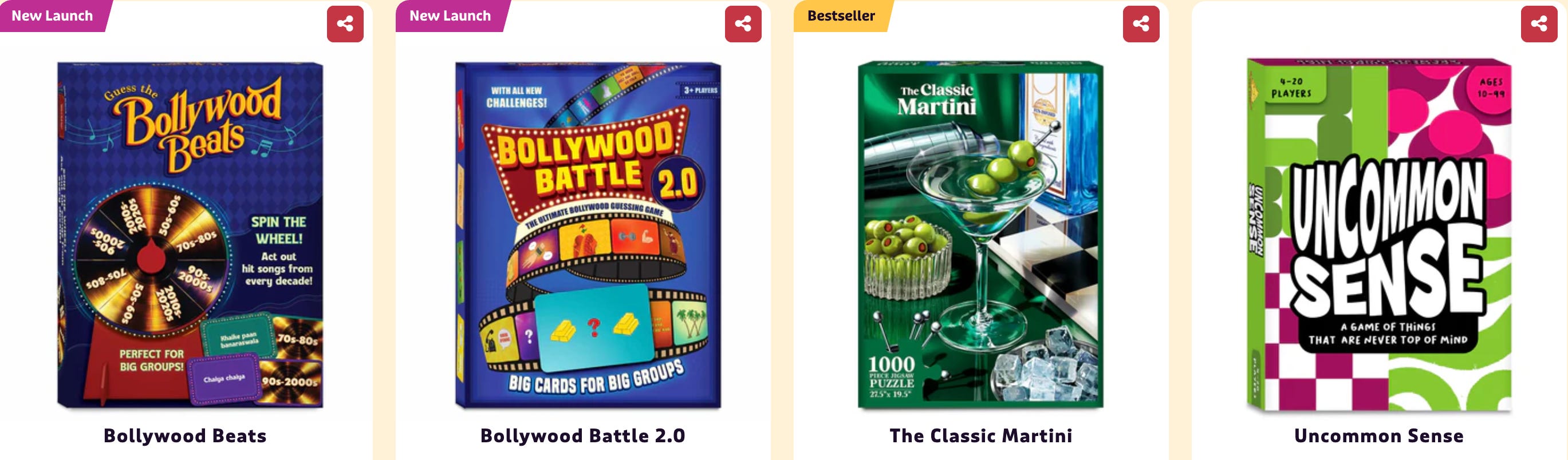
“This is a big product category in the US already,” says Dhvanil, “but it’s still nascent in India. Globally, brands like Lego do 30% of their revenue from adult-centric toys. We see India following in the same direction.” The brand sits entirely separate from Skillmatics because the proposition has nothing to do with education. It is simply about fun and human connection. The core philosophy however remains the same, identifying a real pain point and solving for it. In this case, “how to keep people off their phones while actually spending time together”.
The second brand is Nintara Baby, which launched less than a year ago and is already doing 30 crore ARR. Nintara makes organic textile products for babies, everyday essentials like swaddles, muslins, and soft cloths, reimagined with better materials, better design, and the kind of quality that parents in this category have had to import or pay a premium for until now.
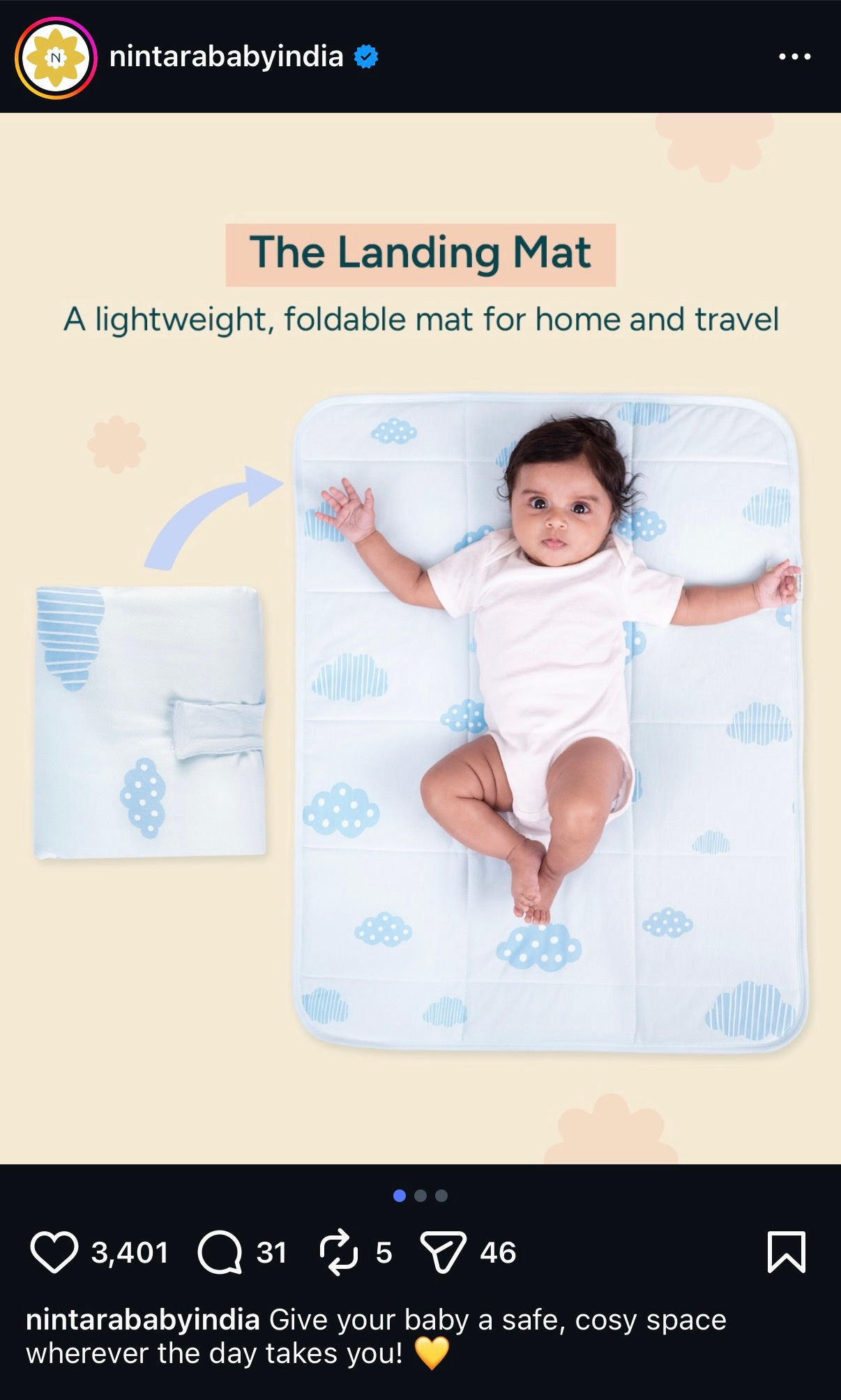
I discovered the brand through an Instagram ad a few months ago and purchased multiple products for my second baby, including their face cloths and swaddles. The quality genuinely surprised me.
What is clever about Nintara is what Dhvanil readily admits, that Skillmatics has no particular advantage in textile manufacturing. What they do have is an exceptional product design capability and a direct marketing relationship with the exact same parents who already buy Skillmatics. Nintara is essentially Skillmatics’s product brain and distribution muscle being applied to an entirely new category, targeting a consumer they already know intimately.
Notes on The Indian Consumer
There are few entrepreneurs better positioned to read the Indian consumer than Dhvanil. He has spent nearly a decade selling to parents across the world, which gives him a comparative lens that most founders simply don’t have. What he has observed is worth paying attention to for other Indian entrepreneurs treading (or looking to tread) the same path -
1. “Indian consumers seem to value education even more so than US consumers, who in turn prioritise originality and innovation in product above all else.” This seems to ring true with our colloquial history of being the world’s (second) nerdiest populace, and my personal experience of seeing fellow parents of toddlers drilling their kids with flash cards like they’re about to take the SATs.
2. “Indian consumers are not as price sensitive as people assume, especially when it comes to their kids.” People are willing to spend more to trade up for better quality. The structural reasons are worth understanding. India today has one of the youngest populations in the world. People are becoming parents later than the previous generation, having fewer children, and often earning double incomes. This means a far greater spend per child in India than ever before. The scale of the opportunity this represents is easy to underestimate. India currently does not even rank in the top ten countries globally for per capita domestic spend on toys, compared to China which ranks third. The gap between where India is today and where it is heading is enormous. And brands like Skillmatics are seeing this in action, with India now their fastest growing market, having grown over 100% year on year in FY24.
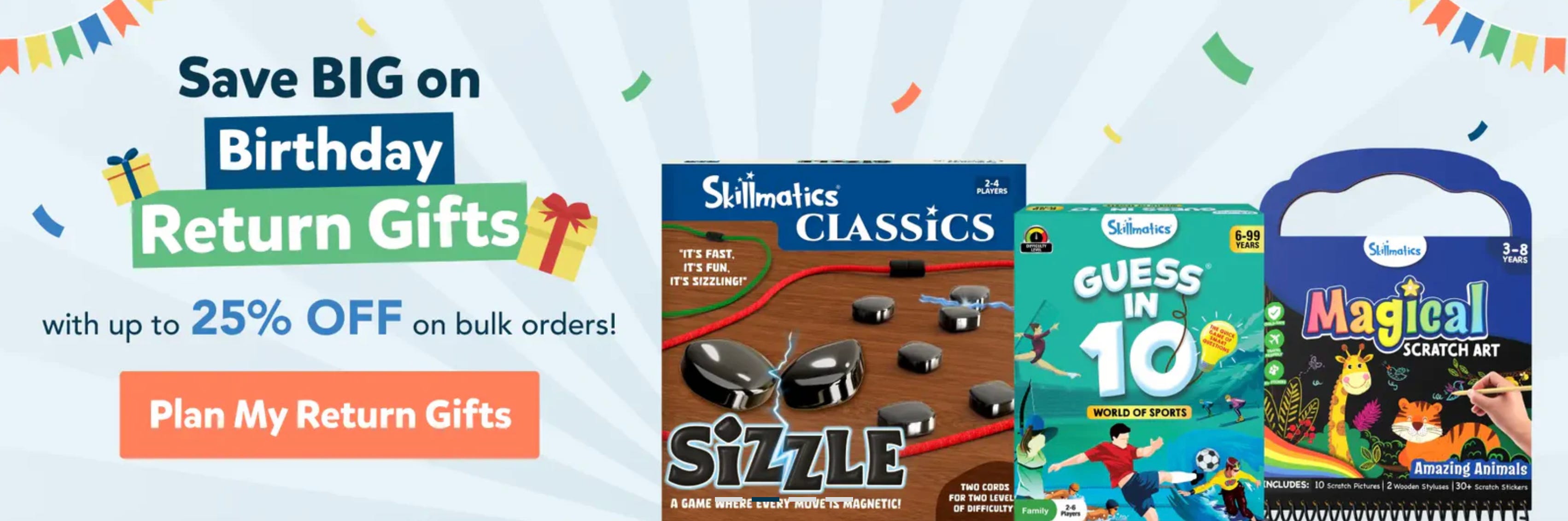
3. Indians love to gift, and this is no secret. Over 40% of children’s birthday party gifts in India are Skillmatics products, based on their consumer survey of affluent urban consumers. “Gifting has been a huge part of our brand’s network effects,” says Dhvanil. “At the end of the day, what you gift says a lot about you and your taste.” I can attest to this, as now a veteran children’s toy gifter and reluctant birthday party attendee.
4. Dhvanil sees two distinct consumer types in urban India. For brands like Nintara, he is targeting two distinct cohorts. The first is the affluent Indian who defaults to buying products abroad, drawn by prestige and perceived quality. His bet is that once they discover an Indian brand that matches or exceeds that quality and is simply easier to access, the switch is a natural one. The second is the consumer who cannot easily access or afford global brands, but is ready and willing to pay a premium for the best available domestic option for their child. Both cohorts indicate the scale of growth potential for brands in the children’s space and beyond.
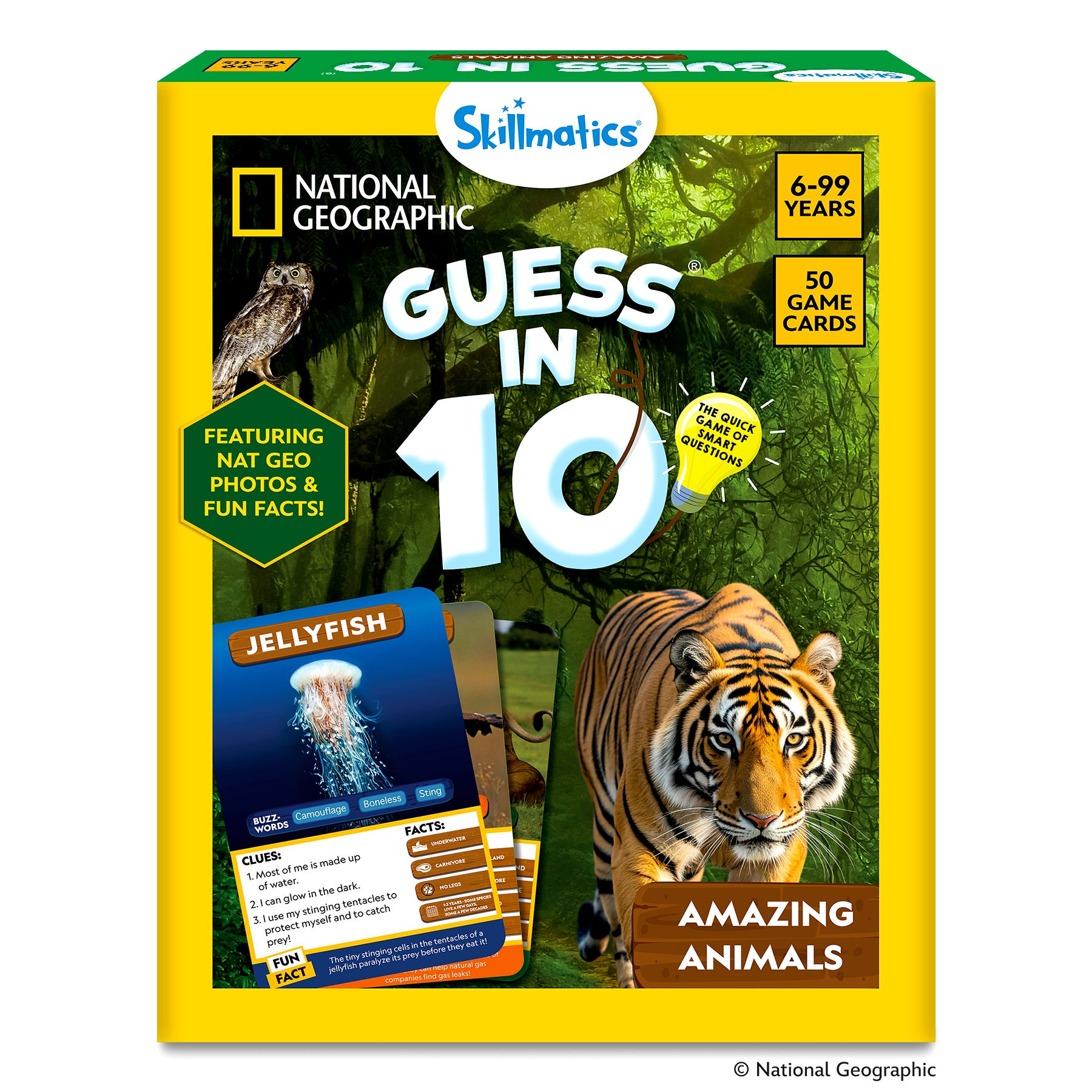
5. And finally, perhaps the most strategically interesting observation of all: the India and US businesses, while built on the same brand and the same philosophy, require fundamentally different commercial strategies. In the US, a single product can do over 100 crore on its own. Guess in 10 and Foil Fun have both achieved this. In India, you cannot get that same depth from a single SKU, which means the playbook here requires a broader product portfolio rather than betting on a handful of hero lines. Same brand, same values, but a completely different way of going to market. For any entrepreneur looking to build across both, that distinction is worth sitting with.
My take?
Skillmatics to me represents the future of where the consumer market is headed in India, not just in the kids space, but across D2C. And what makes it a particularly interesting case study is how it got there. Most globally established Indian brands have built their international presence by exporting the story of Indianness itself. Estee Lauder acquired Forest Essentials to bring Ayurveda to the world. Vahdam Teas counts Oprah and Ellen DeGeneres among its customers, drawn in by turmeric and ashwagandha. The export of Indian culture and heritage is a proven playbook, and there is nothing wrong with it. Skillmatics took a completely different approach. Nothing about the brand signals India. It is a global brand that happens to be designed and manufactured here, and it is exceptional at making you forget the distinction entirely.
As Dhvanil notes, “Nothing about our brand is Indian or Indian centric, and that’s intentional. In our category, there’s no added benefit of being ‘Indian’. Success does not depend on authenticity of culture. For us, it’s about building a brand that’s universal, and ensuring our quality and standards are at a world class level.”
That, to me, is the more compelling idea. It was a brand far ahead of its time in realising that as Indians, we don’t just need to build brands that sell what foreigners deem acceptable for us to sell, like craft textiles or tea. While our culture no doubt has a rich history and completely unique aesthetic that people across the world are increasingly drawn to, we’re also a country that has some of the best raw materials and raw talent that are being harnessed to build brands that can stand shoulder to shoulder with the world’s most coveted.
India is no longer the backend manufacturer or tech support. The D2C boom within the country has already shown our propensity to build incredible brands across every consumer category. And as more young entrepreneurs emerge, they will realise that they don’t need to limit themselves to the domestic market. While many Indian brands still take their blueprint from western counterparts, brands like Skillmatics are paving the way for a reverse order effect, where brands globally will take their cue from builders and innovators in India.
For me, that idea lands closest to home in the most ordinary way possible. I'm a proud buyer of Skillmatics, and its products are already a regular part of my children's lives. I first bought the brand cluelessly assuming it was a foreign one, and it forced me to correct my own reflexive assumption that the best things we see on shelves are naturally American or imported. As my sons grow, I'll keep buying. And I'm grateful that a brand good enough to earn that loyalty was built right here.
Any other references/links?
This 29-year-old scored a world-first for his $2 million Indian toy brand
02: Dhvanil Sheth | Skillmatics
#22 The Secret to Building a Global EdTech Brand | Skillmatics | ft. CA Dhvanil Sheth
Building a ₹500 Cr Toy & Game Brand from India | Dhvanil Sheth | Borderless Business Ep 4
If you enjoyed this post from Next Up India, you might like our other India-focused media brands too. Learn more about the coolest things happening in the Indian startup ecosystem at Tigerfeathers and Runtime BRT.
And if you want to contribute one of these yourself or shout out a product you loved, get in touch and get involved🫡
 | A guest post by
|